
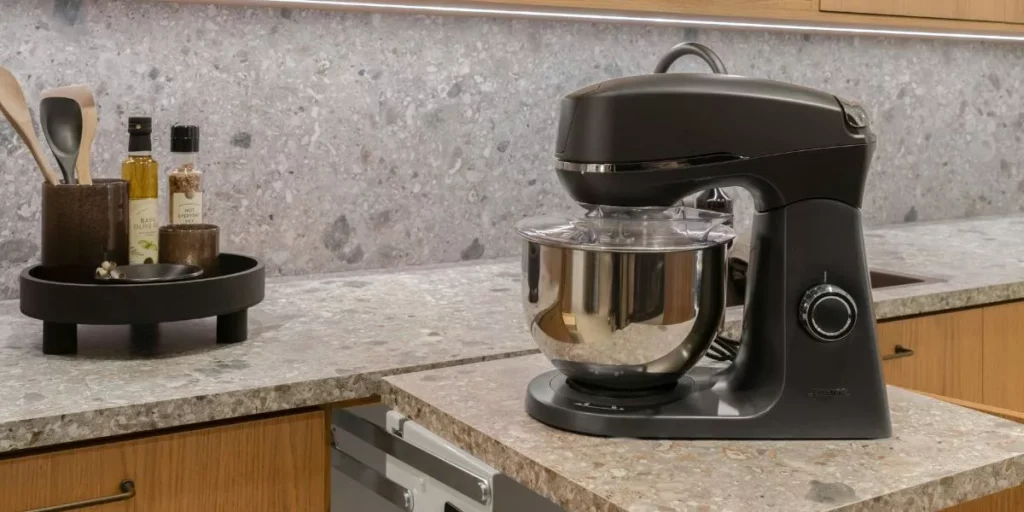
When using a stand mixer like a pro, understanding its functions and capabilities is key. Mastering the art of selecting the right attachment for each task can elevate your culinary creations. But that’s just the beginning. Efficient usage, proper handling of doughs and batters, and the crucial steps of cleaning and maintenance all play a vital role in ensuring your stand mixer performs at its best. Ready to take your stand mixer skills to the next level?
Stand Mixer Functions
To master the art of using a stand mixer like a pro, familiarize yourself with its various functions. Begin by understanding the speed settings. Most stand mixers come with different speed levels, typically ranging from low to high. Lower speeds are ideal for mixing dry ingredients or gently incorporating flour into batter, while higher speeds are used for whipping cream or beating egg whites. Experiment with the different speeds to see how they affect your recipes.
Next, explore the attachments that come with your stand mixer. Common attachments include the paddle, whisk, and dough hook. The paddle is perfect for general mixing tasks, the whisk is great for whipping ingredients, and the dough hook is essential for kneading bread dough. Make sure to switch out the attachments based on the task at hand for optimal results.
Lastly, don’t forget about the tilt-head or bowl-lift feature of your stand mixer. Tilt-head models allow you to tilt the head back for easier access to the bowl, while bowl-lift models have a lever to raise and lower the bowl. Familiarize yourself with how your specific stand mixer operates to make your mixing experience seamless.
Tips for Efficient Usage
For efficient usage of your stand mixer, adjust the speed settings according to the task at hand. When mixing dry ingredients or stirring in add-ins, start at a low speed to prevent splattering. Increase the speed gradually as the ingredients incorporate. For whipping cream or beating egg whites, use medium to high speeds for optimal results. Remember to always start the mixer on a lower speed before increasing to prevent ingredients from flying out of the bowl.
Another tip for efficient usage is to scrape down the sides of the bowl periodically. This ensures all ingredients are evenly mixed and prevents any pockets of unmixed ingredients from forming. Stop the mixer, lift the head, and use a spatula to scrape down the sides and bottom of the bowl. This simple step can make a big difference in the consistency of your mixtures.
Lastly, avoid overloading the stand mixer. Follow the manufacturer’s guidelines for maximum capacities to prevent strain on the motor and ensure consistent mixing results. By following these tips, you can make the most out of your stand mixer and achieve professional-quality results in your baking and cooking endeavors.
Mastering Dough and Batters
Adjust the speed settings on your stand mixer accordingly when mastering dough and batters to achieve the desired consistency and texture. For heavier doughs like bread or pizza dough, start at a low speed to combine the ingredients without overworking them. Gradually increase to a medium speed to knead the dough until it forms a smooth ball. Be cautious not to overmix, as it can lead to tough bread.
When making cake batters or lighter mixtures, begin at a medium speed to cream the butter and sugar together until light and fluffy. Then, add the dry ingredients at a low speed to prevent them from flying out of the bowl and mix until just combined. Overmixing cake batter can result in a dense or tough cake.
Remember to scrape down the sides of the bowl periodically to ensure all ingredients are fully incorporated. With practice, you’ll learn to master the speed settings for various doughs and batters, creating perfect results every time.
Cleaning and Maintenance
Keep your stand mixer in optimal condition by regularly cleaning and maintaining it after each use. Start by unplugging the mixer and removing any attachments. Wipe down the exterior with a damp cloth and mild dish soap, being careful not to get water into the motor housing. For the attachments, hand wash them with warm, soapy water and dry thoroughly before storing.
To clean the bowl and mixing tools, use warm, soapy water and a non-abrasive sponge. Avoid using harsh chemicals or abrasive cleaners that could damage the finish. For stubborn stains, make a paste of baking soda and water and gently scrub.
Inspect the beater blade, dough hook, and whisk for any signs of wear and tear. If you notice any damage, it’s best to replace them to prevent any issues with your mixes.
Lastly, don’t forget to check the underside of the mixer for any trapped food particles or debris. Keeping your stand mixer clean and well-maintained will ensure it performs at its best for years to come.
Trending Products